
Water Mitigation in Portland: A Complete Homeowner's Guide to Water Damage Recovery
By RestoPros Of Metro Portland •
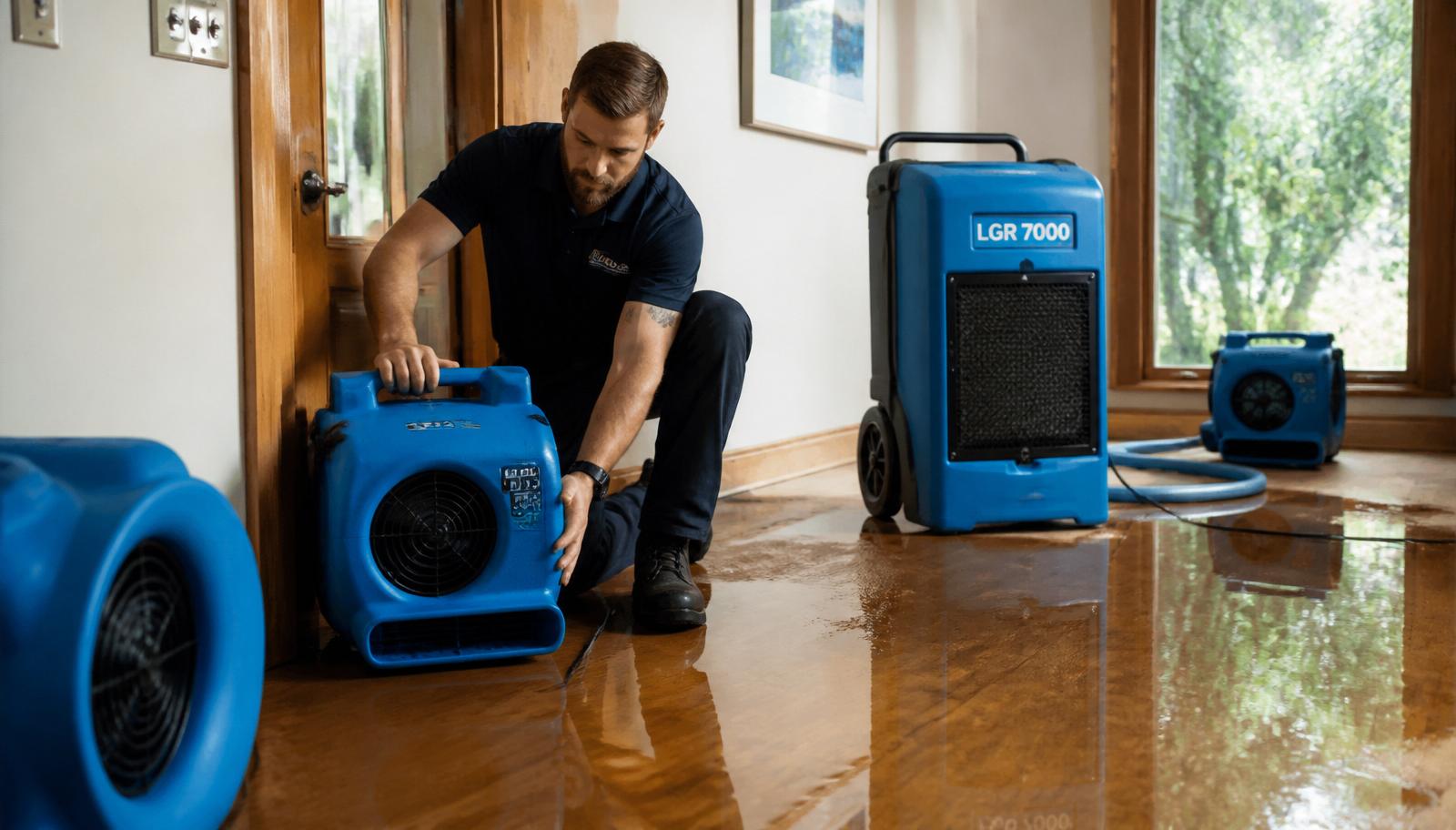
A pipe bursts overnight. A washing machine overflows while you're at work. Floodwater seeps in after a heavy storm. However it happens, water damage forces homeowners to make quick decisions with little warning. Understanding water mitigation in Portland can help you respond with confidence instead of panic, because the actions taken in the first few hours often determine how much damage your home ultimately suffers.
RestoPros of Metro Portland works with homeowners across Portland, Beaverton, Hillsboro, and Tualatin, helping them navigate water emergencies with a clear, methodical response.
Mitigation vs. Restoration: Knowing the Difference
Many homeowners use "mitigation" and "restoration" interchangeably, but they refer to different stages of recovery. Mitigation is the emergency phase — stopping the water source, extracting standing water, and drying the structure before further damage occurs. Restoration is the rebuild phase that follows, covering repairs like new drywall, flooring, or cabinetry.
Mitigation always comes first. Skipping it or delaying it can turn a manageable situation into a much larger, costlier restoration project.
The 72-Hour Window That Matters Most
According to the IICRC S500 standard, water damage should be addressed immediately. Water left standing for more than 48 hours can shift from a clean water loss into a contaminated gray water loss, which raises health risks and repair costs significantly. This is why the first 72 hours are considered the critical mitigation window.
Portland-based water mitigation teams that understand this timeline can move quickly to stop damage before it spreads into wall cavities, subfloors, and framing.
How the Mitigation Process Works
A properly executed mitigation job typically includes:
- Emergency assessment – Evaluating the source and extent of water intrusion
- Water extraction and containment – Removing standing water and isolating affected areas
- Structural drying – Running commercial air movers and dehumidifiers until moisture is eliminated
- Verification and documentation – Confirming the property is fully dry using moisture meters and thermal imaging
This last step matters more than homeowners often realize. A surface can feel dry to the touch while still holding moisture deep inside a wall or subfloor, which is exactly the kind of hidden problem that leads to mold later on.
What Causes Water Damage Around Portland
Homeowners throughout Portland, Beaverton, Hillsboro, and Tualatin commonly deal with water damage caused by:
- Frozen or burst pipes during winter cold snaps
- Heavy regional rainfall and localized flooding
- Roof leaks after storms
- Water heater or washing machine malfunctions
- Sump pump failure during heavy rain
- Cracked foundations allowing groundwater intrusion
- Sewage backups from clogged mains
The Pacific Northwest's wet season means many homes face at least one of these risks at some point.
Signs You Shouldn't Ignore
- A musty smell lingering after a leak or flood
- Water stains on ceilings, walls, or baseboards
- Warped or buckling hardwood floors
- Bubbling or peeling paint and wallpaper
- Cold or unusually damp spots on walls
- Discolored grout or caulking in bathrooms
- Higher indoor humidity than normal
Why Delaying Mitigation Costs More Than Time
- Mold growth, which can begin within 24 to 48 hours of water exposure
- Weakened structural materials, as wet framing rots and loses integrity over time
- Higher repair costs, since damaged materials that could have been dried often need full replacement instead
- Insurance complications, if adjusters determine the damage worsened due to delayed action
- Hidden moisture problems, sitting unnoticed in walls or under flooring for months
Contact RestoPros of Metro Portland
Water damage rarely waits for a convenient time. RestoPros of Metro Portland provides trusted water mitigation in Portland, along with service throughout Beaverton, Hillsboro, and Tualatin.
Contact RestoPros of Metro Portland today to schedule a service or request a free assessment.
Need Emergency Restoration Now?
Our 24/7 Portland crew can be on-site fast. Call now for immediate help.
📞 Call (971) 600-7023